




The history of Danish herbs
Spices and herbs had a prominent place in the Danes' nutrition – and the history is very long:
The use of dried exotic spices required that the farm had a surplus of money, because spices had to be bought in the market town for ready money. And the use of spices gave status. First and foremost pepper, but also cloves, cinnamon, nutmeg, cardamom, ginger, etc. We do not know specifically how these spices merged with the ingredients and the method of preparation in the rural Danish self-sufficient household. One can guess that spices gave a much-needed zest to the food, and at the same time they could dull the taste of spoiled meat. In cookbooks from the first part of the 19th century, one finds not so little advice about meat that, as they said, had been given a thought! However, the midwife in the Middle Ages primarily used the domestic herbs such as angelica, parsley, chives, horseradish, Danish caraway, black and yellow mustard, dill, fennel, garden cress, dandelion and garden sorrel. Rosemary, basil, marjoram, oregano, coriander, sage, thyme, peppermint and lovage came to the Danish monasteries via the monks in the 12th century, and they were eventually also grown in Danish peasant gardens.
Discover more of Danish food history in THE HOUSE OF MADENS HUS – A food museum with participation
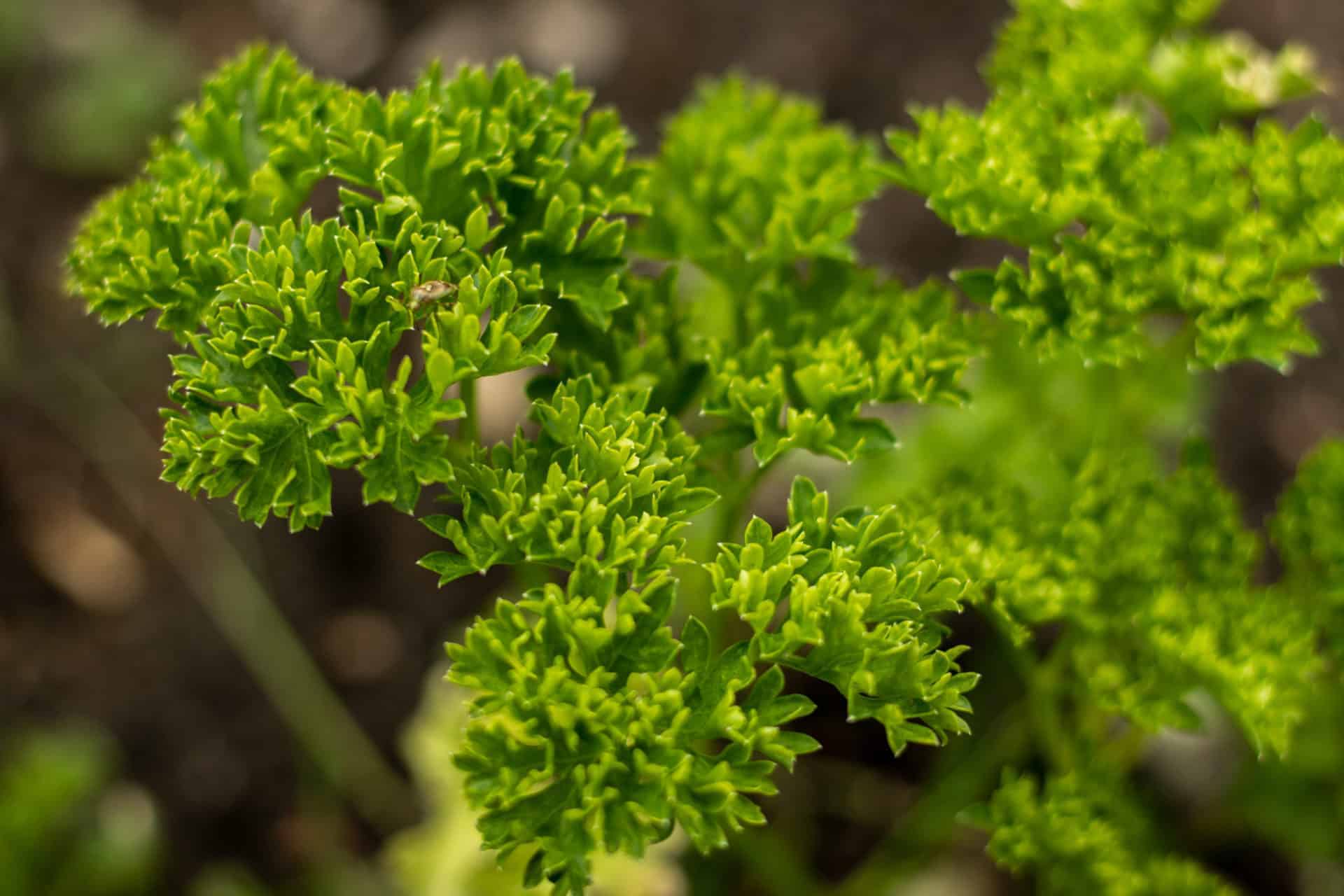
Parsley
Parsley is the herb that is most conspicuous in the early cookbook material from the 17th and 18th centuries. Especially in soups and in the preparation of numerous meat dishes, it seems as if parsley was perceived as indispensable. The cookbooks leave the reader with the impression that veal, chicken and lamb could hardly be served without the use of parsley as a flavoring. In cookbooks from the early 18th century, parsley is included in the preparation of various types of sausages, including lamb sausage and sausages made from dried fish. Parsley also makes its way into recipes for soups. “Water soup”, which first appears in cookbooks from the 17th century and has since become a classic, gets its flavor from parsley.
Most Danes will associate parsley with the classic pot roast chicken. The preparation method is presented in a cookbook from 1801 with the title: “Fried chickens in a Danish way”, where the chicken is stuffed with parsley, after the entrails have been removed and any blood has been removed. The chicken is then browned in the pot. Heart in cream sauce is also a serving that is the epitome of Danish food culture. Recipes for this classic can be found in early cookbooks.
Parsley sauce, or stewed vegetables in white sauce with parsley added as a garnish, is also well-known, often served with minced pork in the form of meatballs or chops. A cookbook from the late 18th century describes parsley sauce as a sauce of butter and flour to which chopped parsley is added.
The wide applicability is also seen in the fact that the herb parsley is also frequently represented in dishes with eggs, including scrambled eggs, omelets, omelettes and scrambled eggs.
Cumin
Cumin has been used in a variety of ways in cooking. Gardening books from the late 19th century mention that the fresh leaves can be used for, among other things, kale soup, seeds for cheese, white and red cabbage, soup, bread and spiced herring. In the preparation of sausages, cumin is included in, among other things, lungwort and sausage rolls. Cumin is also used in the classic and very old recipe for pickled beetroot.
Cumin can also be found among the ingredients in various cabbage dishes – cabbage stews and pickled white and red cabbage.
Caraway was also used in soft cheeses such as skørøst, knappost and appetiserost, buttermilk cheese and more. It is worth mentioning that recipes for these homemade cheeses appear all the way back to cookbooks from the war period. Caraway was also added to grated beer bread, and finally caraway brandy was a well-known and popular drink.
Finally, it should be mentioned that caraway has been a spice used in various types of baked goods, including caraway pretzels. In a cookbook from 1940, caraway appears in recipes for rye biscuits and sweet rye biscuits, as well as in recipes for sourdough bread.
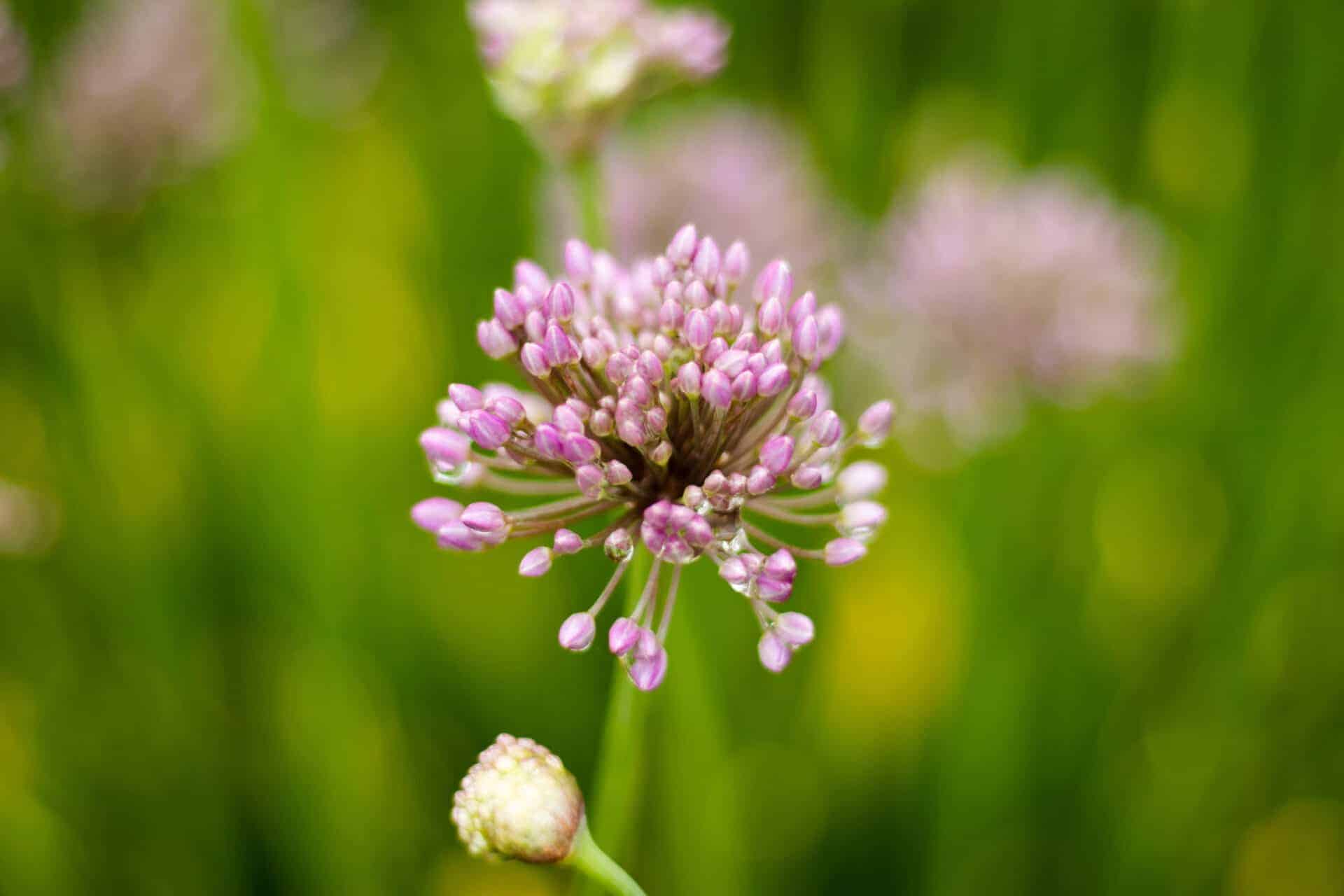
Chives
The old cookbooks agree on the common use of chives as a “sprinkle” on open sandwiches, especially with smoked herring, bacon sausage, hard-boiled eggs, potato slices and tomato slices. If you look at the old cookbook material, you will see that chives are used in meat dishes – such as young pigeon pâtés, beef pâtés and veal pâtés – just as chives are used in chicken sausages together with the spices currants and nutmeg. Similarly, leftover roast beef, which is cut into small slices and browned in margarine in a pan, is served with chives.
Chives seem particularly useful in egg preparations. These include servings with hard-boiled eggs that are added to various types of salads, just as chives are used in recipes with, for example, deviled eggs and caviar.
Finally, it should be mentioned that chives are used in various preparations of potato dishes. In a cookbook about potatoes from 1916, chives are added to potato soup immediately before serving. Chives are also used as a green sprinkle on boiled potatoes, and from 1942 there is a recipe for boiled beetroot shaken in butter and sprinkled with chives and parsley. Chives have also been used in white sauce, for example for stuffed potatoes and baked potatoes.
Chervil
Chervil has been a cornerstone of traditional Danish cuisine, which may be difficult to understand today, as chervil has now been completely discontinued. It was frequently used and highly valued as a herb in all kinds of food. Cookbooks and garden books from the 18th and 19th centuries give various instructions on how to store chervil, so that self-sufficient households had chervil available during the winter months. It is said, among other things, that chervil, along with parsley, celery leaves and watercress, can be scalded and cut into small pieces and then dried in the oven. They can also be dried in hot sunshine.
There were many uses: Chervil can be added to soup, it gives a good flavour to sea cabbage, and it can be used in the preparation of various sauces. Chervil is added as a flavouring in various types of soups, including fish soup, meat soup with soup herbs, spice soup, and from the end of the 18th century there are recipes for a chervil soup, which is a clear meat soup with vegetables and chervil. Chervil is used in many different dishes with fish – herring salad, as a green sprinkle over new potatoes served with fried garfish, boiled lobster, eggs with tuna, potato and mussel salad and stuffed mackerel are just examples of chervil's versatile use.
In the Danish cookbook material it is clearly seen that chervil is an herb that is suitable for a number of different preparations of vegetables. Finally, it should be mentioned that chervil is used in dishes with potatoes, for example potato roulades, stuffed potatoes, mashed potatoes, potato salad - just as chervil is used in various types of salads, especially salads consisting of root vegetables and cabbage.

Thyme
Thyme in particular was widely used by both rich and poor in the Middle Ages. The use of thyme is described in old garden books and cookbooks. It is said that thyme was used in vinegar marinades for meat, and that Jutland shepherd children picked thyme for cabbage stew and for tea. In many places in the country, thyme tea was an everyday drink – an old saying went: “You should have this tea when the windows are white”Thyme was also used in melted fat, in sea kale, kale, for thyme gruel cooked on ham and in yellow peas.
It is said that thyme was called the “sausage herb” – if you look at the old cookbook material from the 18th century, you will also see thyme used in many recipes for sausages, just as thyme is included in recipes for meat stews and pâtés. From the mid-19th century, recipes for liver pâté can be found in Danish cookbook material, and in addition to thyme, onion, pepper, cloves, salt, grated rye bread, cheese and eggs are also used.
Thyme played a major role in connection with slaughter, among other things, in the work of gut cleansing, where the intestines were placed in water with thyme, which removed the bad smell. The slaughter took place in November, when fresh thyme was not available, so thyme was harvested as late as possible - and in the autumn a wreath was tied and hung to dry in the attic for use in the winter. Well-off farmers let their pigs eat thyme, which was believed to make the meat taste more like wild boar. In connection with the slaughter, a diet of meat types that could not be preserved was consumed. The typical slaughter food was finches, which were made from the offal, boiled and then chopped and seasoned with thyme and dried apples. The blood for the popular "blood sausage" or “black sausage”, was collected in a bucket. Rye flour or barley groats were used for blood sausage. The half-cooked groats were added to the blood along with sliced pork, dried pears, allspice, thyme and a little onion.
Finally, it should be mentioned that thyme was part of the mother's home medicine cabinet, as it was believed that thyme contained a mucus-dissolving substance, so it was used against sore throats and colds. Dizziness, headaches, nerve strengthening and as a remedy for fatigue were also characteristics of the use of thyme.
