




Geothermal energy will heat the Green Museum

The 22 kilometers of geothermal pipes have already been laid to a depth of 1 meter in the fields at Det Grønne Museum. The picture shows an employee at jordvarmeslanger.dk at work.
No less than 22 km of geothermal heating pipes are currently being dug into the museum's fields. The project is one of several ambitious initiatives to promote sustainability. By replacing the old pellet stove with an advanced geothermal heating system, the museum is taking a concrete step towards more sustainable operations and a reduction in our environmental footprint.
The project involves the installation of 22 kilometers of geothermal pipes, spanning an area equivalent to the distance from the museum to Randers. These pipes will be laid one meter deep in the museum's own agricultural fields, where they will utilize the constant temperature of the ground to efficiently provide heating to the entire museum complex.
Technical specifications and partners
To realize this extensive project, the museum has, after project development with the Danish Agency for Palaces and Culture's skilled building consultants, entered into an agreement with Bravida Danmark, a leading player in the installation and service of technical systems in the Nordic region. The geothermal pipes are supplied and installed by jordvarmeslanger.dk, specialists in geothermal energy solutions.
The system will consist of 22 km of geothermal heating pipes and 600 meters of main pipes with a diameter of 200 mm. A powerful 448 kW Bosch heat pump will be the heart of the system, ensuring that the energy is distributed efficiently throughout all of the museum's 15,000 m2 heated buildings.
Environmental and economic benefits
This conversion to geothermal energy is not just a technological upgrade; it is an investment in the future of the museum and the planet. By switching to geothermal energy, we expect to save approximately 800,000 kWh each year. This is a significant reduction in CO2 emissions, as geothermal energy is a cleaner energy source compared to traditional fossil fuels or wood pellets – even though these are listed as CO2 neutral.
Furthermore, the savings on heating costs will mean that the investment in the new plant will pay for itself over time, making it an economic as well as an environmental winner.
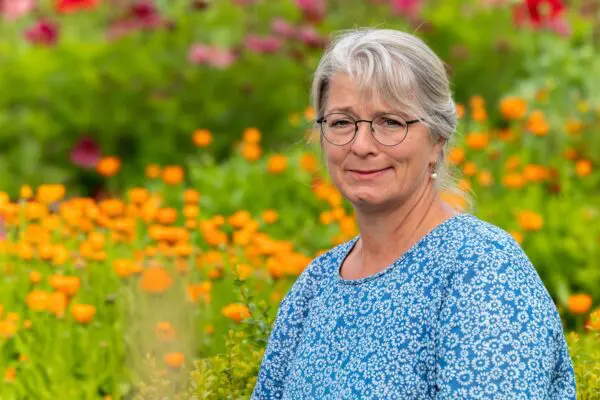
Director Anne Bjerrekær at the Green Museum on Djursland is looking forward to the facility being ready and the museum being heated by geothermal energy.
One of Denmark's largest geothermal heating plants
The project marks one of the largest geothermal heating systems in all of Denmark. It is a testament to the museum's commitment to sustainability and its desire to be at the forefront of the use of green technologies in the cultural sector.
“With this step, we hope not only to improve our own environmental footprint, but also to inspire other institutions and businesses to consider similar sustainable solutions,” says museum director Anne Bjerrekær. “It is crucial that we all take responsibility for our climate impact, and by making our facilities greener, we hope to show the way forward.”
Forward-looking
We expect the new geothermal heating system to be fully operational before the next heating season. This will ensure that visitors can enjoy a green, warm and inviting museum, regardless of the weather outside.
