Food schools in Madens Hus

A sensory journey through Danish food culture – for companies and groups


Imagine standing together in a historic kitchen. The scent of fresh butter, herbs and a simmering pot spreads, while conversations arise all by themselves. Here the pace is different, the setting is special – and the experience is something you take with you on your journey.

In the House of Food at the Green Museum, we invite companies, organizations and groups to food schools, where community, knowledge and taste go hand in hand. The food schools are led by the museum's food historian. Bettina Buhl in collaboration with chef Kim Thygesen from restaurant The Old Stable. Together they combine historical knowledge, crafts and stories in a process where the participants cook the food themselves.

In addition to a shared experience, participants take home concrete knowledge and practical skills. Techniques, recipes and understanding of ingredients can be used directly in everyday life - and at the same time provide inspiration to impress when setting the table for guests and festive occasions.

The food schools differ from traditional food-sharing activities by taking as their starting point the dissemination of food history, but also by providing space for calm, presence and conversation. Here you collaborate on something meaningful while your hands are busy, and there is room for presence and community as the food takes shape. The historical kitchens function as Danish conversation kitchens, where you cook something together – and where community arises quite naturally.

The food schools are suitable as an employee event, team building, networking activity or a special experience for business partners. It is a format that brings people together – and which provides insight, presence and something concrete to talk about afterwards.

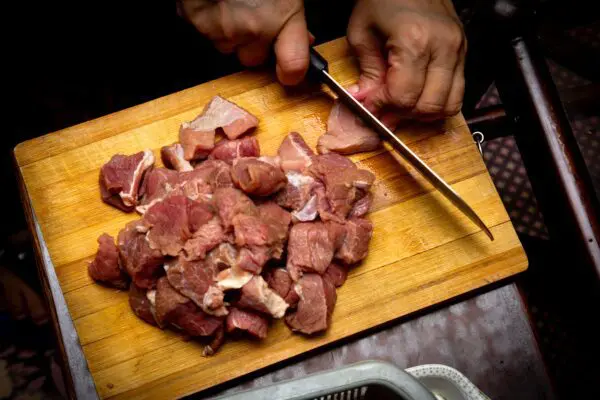
Learn to braise at cooking school about braising

Food school 1

Danish cuisine – tradition, craftsmanship and taste

This cooking school is a thorough and sensual introduction to classic Danish cuisine – which many will recognize from childhood, but may no longer make on a daily basis.

You will work with basic kitchen techniques such as frying, boiling, mincing, potato preparation and – not least – the Danish sauce kitchen. You will make soup with homemade soup dumplings, classic mince dishes, potatoes in several variations and desserts based on old Danish cookbooks.

Along the way, Bettina Buhl talks about housewifery, understanding raw materials and a time when nothing went to waste, and where taste, satiety and thoughtfulness went hand in hand. Smells and tastes evoke memories, and many participants find that food opens up conversations about family, childhood and changes in everyday life.

The cooking school takes place at a relaxed pace, where everyone can join in – regardless of experience – and ends with a shared meal.

Duration: 3 hours including eating
Price:
• 1–15 people: DKK 6,500.
• 15–40 people: DKK 9,000.

  • raw materials: 250 DKK per person
Food School 2

The Danish pantry – season by season

This cooking school is based on the season, vegetables and the Danish pantry, as it has historically been used throughout the year.

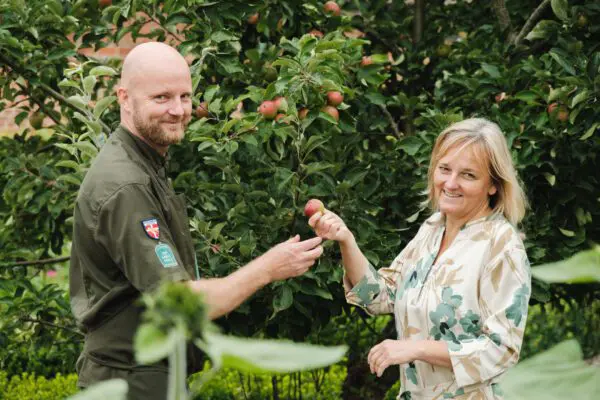
You harvest your own vegetables, fruit and herbs in the museum's kitchen garden and use them in historical dishes, where the recipes are taken from old Danish cookbooks. The greens play the main role, but meat and fish are included, as they have traditionally been - as a supplement, not the center.

Bettina Buhl tells of a time when sustainability was not a choice, but a necessity, and where the season determined both the menu and the household. You work practically with the raw materials and get hands-on experience – a direct contact with the Living Cultural Heritage.

The Food School provides inspiration for a more seasonal and conscious relationship with food – both historically and contemporary.

Duration: 3 hours including eating
Price:
• 1–15 people: DKK 6,500.
• 15–40 people: DKK 9,000.

  • raw materials: 250 DKK per person
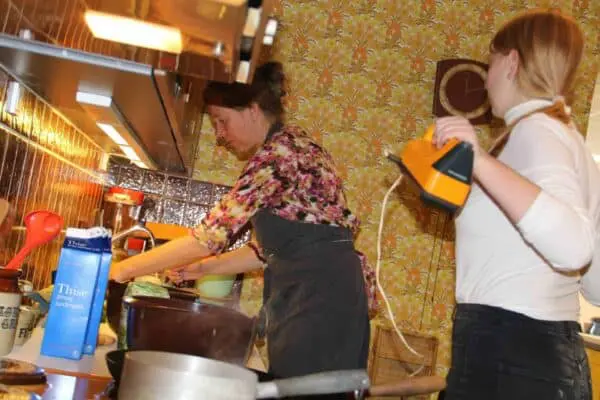
Experience the historical themed lunches, where we add flavor to food history with garden walks and lunches

Food School 3

The classic Danish lunch table

The Danish lunch table is an institution – from Sunday lunches to holidays and festive gatherings. At this cooking school we delve into the cultural history of smørrebrød and the cold table.

You will learn the basic principles behind classic smørrebrød: marinades, cold cuts, toppings of fish, meat and vegetables, as well as techniques for assembling, decorating and serving. You will also work with leftovers and alternative ingredients – exactly as has been done historically.

There is also room for creativity here when you experiment with alternative sandwiches and cold cuts based on leftovers, fruit and vegetables from the kitchen – for example, from the fruit bowl, which gets new life as part of the lunch table.

The story tells about the role of lunch in Danish food history, about table setting, customs and social settings. The food school is adapted to the season, and you use ingredients from the museum's garden.

Duration: 3 hours including eating
Price:
• 1–15 people: DKK 6,500.
• 15–40 people: DKK 9,000.

  • raw materials: 200 DKK per person
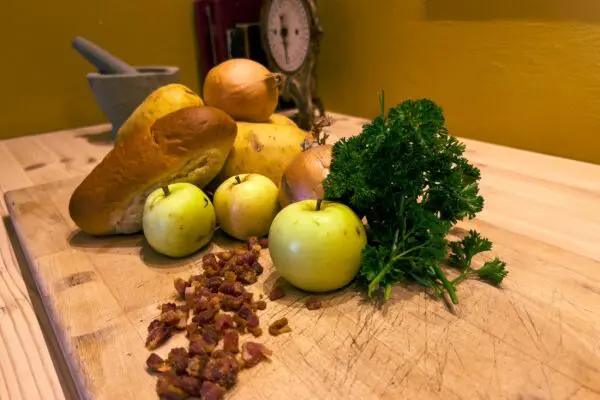
Food on a cutting board

Food School 4

The Danish coffee table – cakes, crafts and tradition

The Danish coffee table is closely associated with both everyday life and celebrations. At this cooking school you will work with classic cakes from different time periods – from spicy cakes to fruit cakes and chocolate.

Here, hands get involved in kneading, whipping and shaping baked goods according to old recipes and techniques. It's a physical and sensory experience where the pace is slowed down and the focus is on craftsmanship and detail.

Historical tools are used, and the coffee is brewed like in the old days. Bettina Buhl talks about the introduction of coffee and cakes into Danish homes, about holidays, and how the cake table became an expression of both care and status.

The cooking school is sensual, colorful and cozy – and gives participants the tools to create their own personal touch on classic baked goods.

Duration: 2 hours including eating
Price:
• 1–15 people: DKK 6,500.
• 15–40 people: DKK 9,000.

  • raw materials: 150 DKK per person
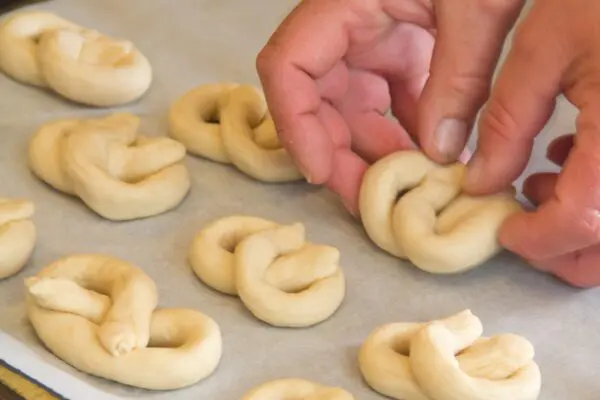
War pretzels on a baking sheet

Food School 5

Eat like at the seaside hotels of the 1930s

This cooking school is based on the finer Danish cuisine from the 1930s – inspired by the seaside hotels and the better bourgeoisie.

You will work practically with selected servings from the period and prepare complete dishes according to original recipes. These can be appetizers, main courses and side dishes, which require precision, timing and an understanding of the classic techniques that characterized the cuisine of the seaside hotels.

Bettina Buhl, who was a historical food consultant on the TV2 series The bathing hotel and hosted on The Badehotellet's Cooking School, has selected recipes and put together the menu. Chef Kim Thygesen guides the participants through techniques and presentation, so that the food has the expression and elegance that characterized the cuisine of the time.

During the cooking and eating together, stories are told about the seaside hotels, the role of the kitchen maid, the healthy life by the sea – and about the work of recreating the food from the series.

Duration: 3 hours including eating
Price:
• 1–15 people: DKK 6,500.
• 15–40 people: DKK 9,000.

  • raw materials: 350 DKK per person
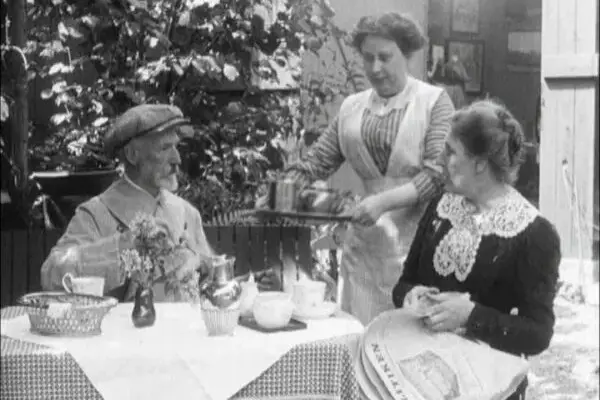
Learn all about Emma Gad, taste dishes from her time and hear about her book Takt og Tone

Ready for the next step?

The cooking schools can be booked as closed events and adapted to your group, wishes and time.

Contact:
For further information or inquiries regarding booking an event, please contact booking manager Lone Christensen by email. info@dgmuseum.dk or phone 87 95 15 26.

It is of course possible to some extent to accommodate special considerations in relation to allergies or religion for individual participants. However, you must inform us about this in writing no later than 14 days before the event.