




The Green Museum makes September the month of apples
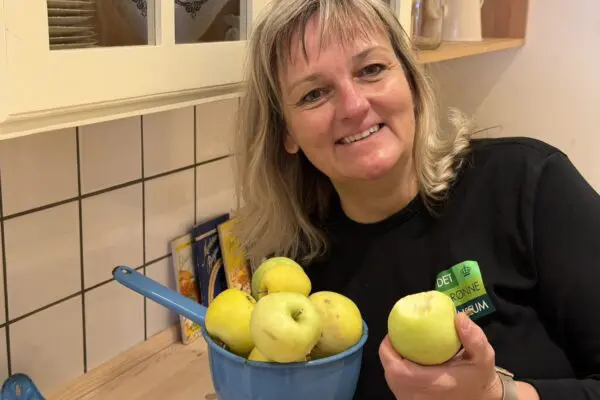
Bettina Buhl is looking forward to the month of September and the opportunity to talk about the cultural history of the apple.
For the first time, The Green Museum is making the entire month of September the month of apples. Through tasting experiences, historical stories and activities for both children and adults, the museum focuses on one of Denmark's most important cultural fruits - and on the living cultural heritage that still grows in the museum's apple orchards.
When late summer turns into autumn, the apples ripen in the museum's five apple orchards. The Green Museum marks this by dedicating an entire month to the apple for the first time. At the same time, the museum participates in Trapholt's nationwide project The Apple Garden.
Living cultural heritage you can taste
Around 260 old Danish apple varieties grow at the Green Museum. The collection serves as a replica collection for the Apple Museum at the University of Copenhagen and helps preserve valuable genetic material. At the same time, the many varieties tell the story of Danish fruit growing, local traditions and the food culture that has developed over generations.
“"At a time when we are talking about Danish food production and self-sufficiency, the apple is a good example of how our eating habits have changed. Denmark's production has decreased by approximately 80% over the last 40 years, and many of the old varieties and their uses have been forgotten. At the Green Museum, we would like to show that apples contain both an important cultural history and lots of inspiration for the cuisine we cook in today," says museum curator and food historian Bettina Buhl.
Taste the history of apples
Throughout September, guests can experience the history of apples with all their senses. Every Tuesday, the Madlauget in Madens Hus prepares historical apple dishes based on recipes from the 18th century, the 19th century, the Occupation and the 1950s, while the Gartnerlauget presses juice from the museum's own apples and talks about the many varieties. Guests are also welcome to bring their own apples and have them pressed.
Most Fridays, the focus shifts to today's green kitchen, where the museum experiments with modern plant proteins, which are combined with seasonal apples, so that historical raw materials meet today's eating habits in new taste experiences.
September also features special events
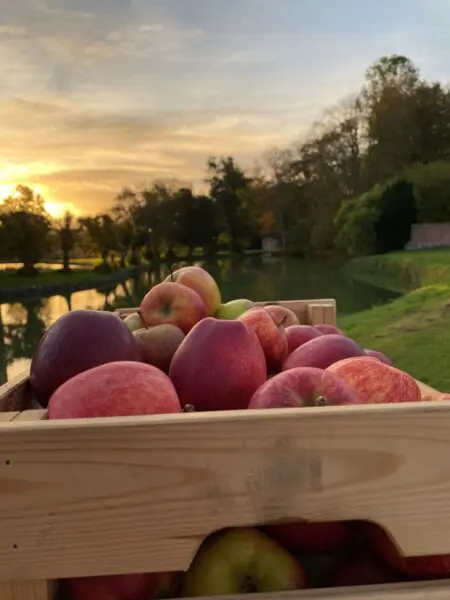
As autumn approaches, the apples are ready to be used in the gardens at the Green Museum.
In addition to the regular weekly activities, September also offers three events where the apple is the focal point.
The month will kick off in earnest on September 5th, when eight of the museum's volunteer guilds will show how the apple has left its mark on Danish food culture, crafts and everyday life throughout time. Guests can, among other things, help to mash apples, bake apple slices, taste apple bacon, apple cake and home-brewed beer, as well as hear stories about apples in Danish folklore. At the same time, the museum's volunteers will demonstrate old crafts and traditional working methods.
On September 17, The Green Museum and AU Auning will focus on old and new apple varieties. Here, research, cultivation and gastronomy come together when researchers, chefs and museum curator Bettina Buhl talk about the preservation of old varieties and show how they can be used in the kitchen.
This month's apple theme will be rounded off on September 20th with a workshop where stories about the cultural history of apples are combined with a tour of the museum's apple orchards and tastings of historical apple dishes prepared in Madens Hus.
Discover the apple orchards at your own pace
Throughout September, museum guests can explore the five apple orchards, where old Danish varieties from all over the country grow side by side. The orchards are part of the museum's work to preserve living cultural heritage in collaboration with, among others, the University of Copenhagen, Aarhus University and NordGen.
Here, guests can experience the history of apples where they still grow, and taste the difference between some of Denmark's old apple varieties.
