




Of the herbs we know today, cabbage was the most common in ancient times.
"We get peas and cabbage with every meal, porridge and gruel we only get rarely…..."
This is an old proverb, explaining the commonality of cabbage in Danish food culture. A time when cabbage, kale and cabbage soup, white cabbage soup, sulevælling and soup were the most common dishes. Yes, in fact, cabbage was called “the national dish” well into the 20th century.
The history of cabbage in Denmark
Every farm had a cabbage garden or cabbage patch in its utility garden, a term that meant "all vegetables used for roasting".
Cabbage was actually introduced in the 1200s by monks. It was not until the 14th and 15th centuries that cabbage gardens and farms were mentioned – surrounded by fences and walls, which could thereby secure ownership of the garden. And they meant this seriously! According to the Jutland Law of 1241, the theft of cabbage was punished as burglary. Work in the cabbage garden had its fixed routines. Cabbage seeds were preferably sown at Easter, so that the cabbage would not be attacked by worms. Often, work in the garden was the woman's responsibility, but in relation to the cabbage in particular, she had to hand over the work to the man, as it was believed that otherwise the cabbage would not set heads.
The appearance of the cabbage types was very different from those we know today, for example, kale is referred to as non-curly. Kale was the most common in the country garden, as it was both hardy and suitable for the country's different soil types. White cabbage, on the other hand, was more difficult to grow. It was the Dutch who settled on Amager in 1520-21 who brought it to the country - a dish that was so exclusive that Amager white cabbage could be included in the bride's dowry.
If you look at the cultivation conditions for cabbage in Denmark in the 19th century, it turns out that kale was the most widespread type of cabbage in the islands, with the exception of Falster, where white cabbage was the most sought after around 1820.
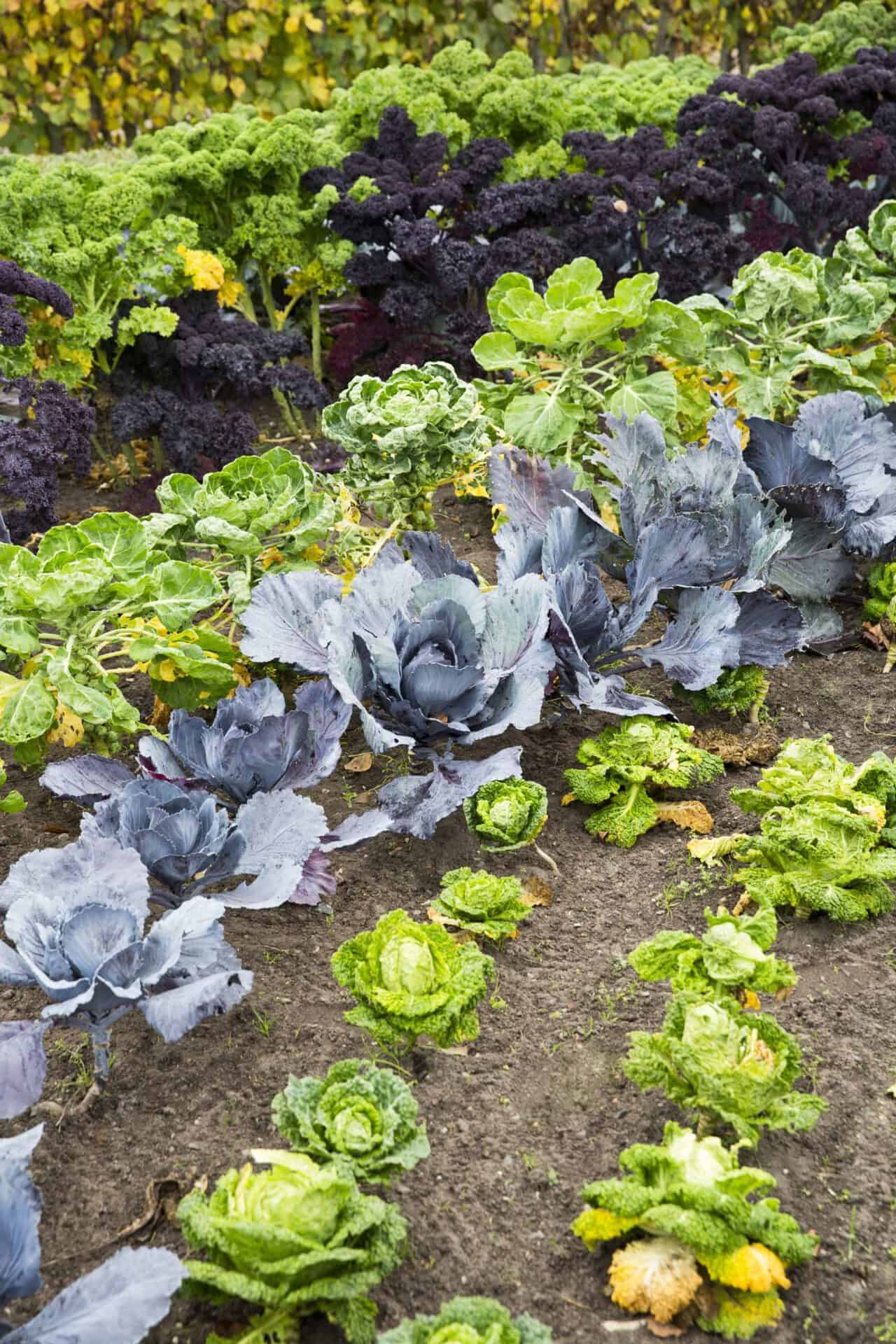
Before the 1900s, red cabbage, savoy cabbage, Brussels sprouts, collard greens, and cauliflower were types of cabbage used in finer households.
The use
Kale was useful in everyday food. Kale was often eaten with pork and smoked mutton – on Funen and Zealand also often with smoked goose meat. If the cabbage was cooked without meat, the cabbage was “motherless” and thus a poor man’s food.
An old source reports on conditions in the countryside, including the diet of the peasants around the middle of the 19th century: “Kale was cooked in such a way that a portion of barley groats was added to the pot with the pork, when the pork was half-cooked, it was cooked together and finally potatoes and chopped kale were added. This was chopped with a “chopping knife” or a “cabbage knife” – a curved knife with two handles – on a chopping board. Chervil and a little leek were chopped together with the kale. When it was almost completely chopped, flour was added and then it was chopped to perfection.”My mother often cooked this cabbage dish on Mondays, so she had food for the household for a few days ahead.
On festive occasions, kale soup was eaten, mixed with oatmeal – and on holidays, green cabbage.
The importance of kale for the diet of the time can hardly be overestimated. All winter long, fresh cabbage could be picked from the cabbage garden, providing a supplement of fresh vegetables to the vitamin-poor supplies in the barrel. People with a good cabbage garden did not need a doctor, because as a medicinal herb, kale was used both internally and externally:
Cabbage could be eaten for bad nerves, vision improved, the blood was purified and digestion was stimulated. Cabbage seeds put in vinegar were beneficial against intestinal worms and stomach aches or the remedy could expel a dead fetus. Compresses of crushed cabbage could heal new and old wounds. Finally, another important household item is mentioned; "He who eats raw cabbage does not get drunk so quickly".

