




The Green Museum contains a unique collection of objects and stories from the history of Danish agriculture.
Through films, texts and images, you can explore some of the crucial moments when life and work in the countryside changed and left lasting traces in our common cultural heritage.
The material has been prepared with support from the Royal Danish Agricultural Society.
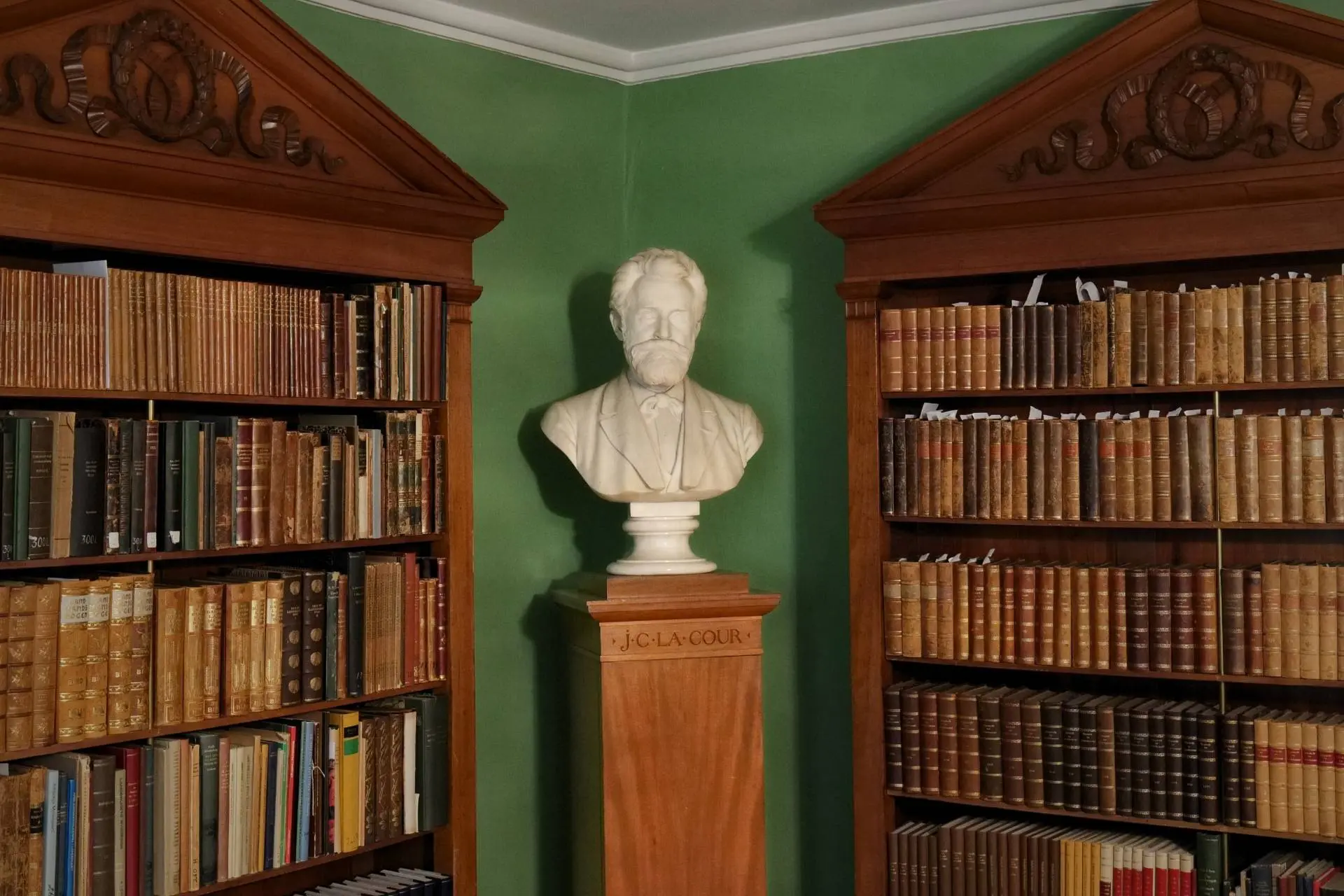
The Royal Danish Agricultural Society
The Royal Danish Agricultural Society was established in 1769, and aims to honor people who make special contributions to agriculture.
On these pages you can read more about the Royal Danish Agricultural Society and the company's work over the past more than 250 years.
Click on the names below to learn more about:
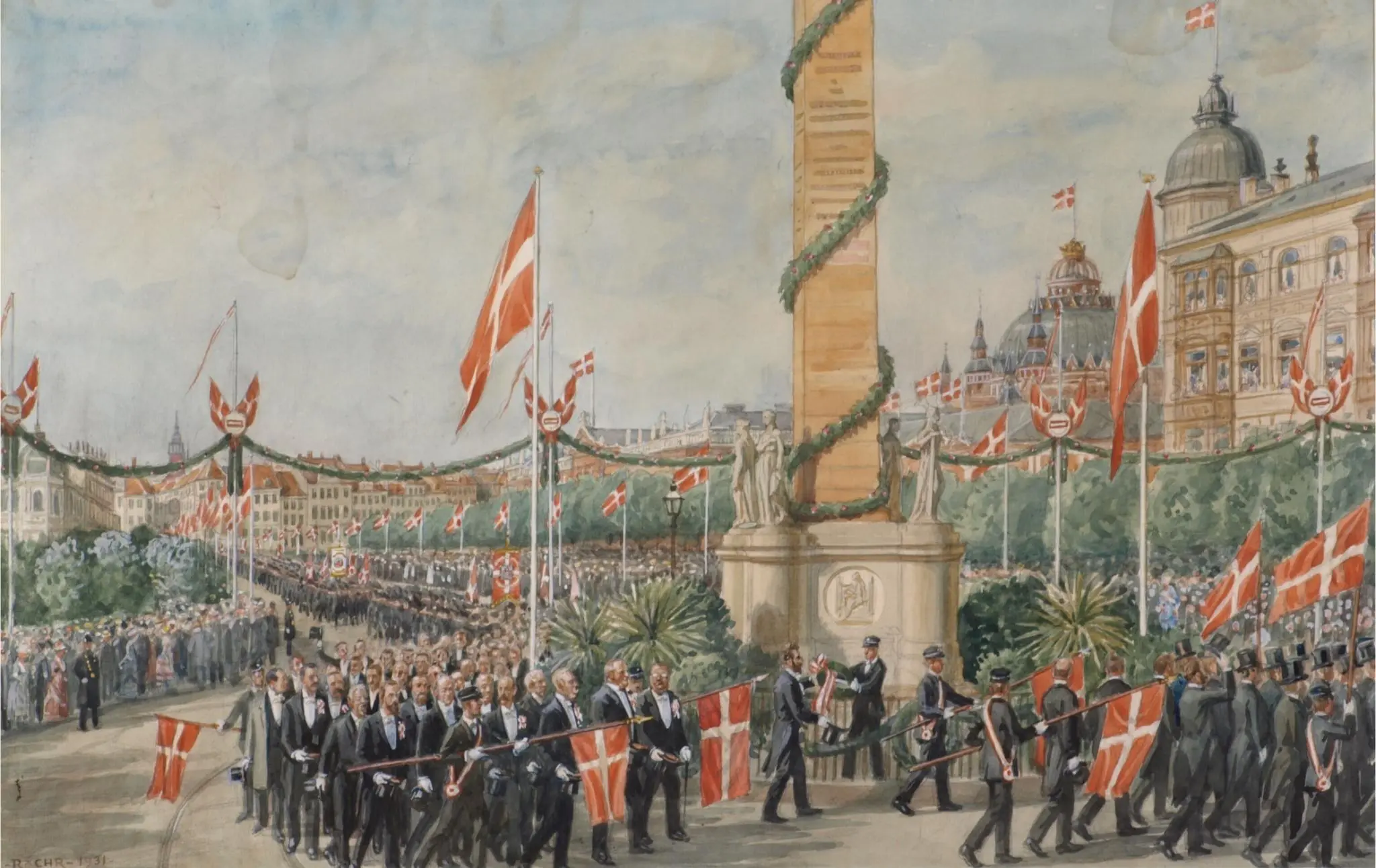
The reform period
The Reform Period is the name given to the period in Danish history in which a series of reforms transformed Danish society and landscape forever.
The reform period began in the 1750s. It rolled like a mighty wave across the country in the 1780s and 1790s and can be largely considered to have ended in the first decades of the 19th century.
Click on the names below to learn more about:
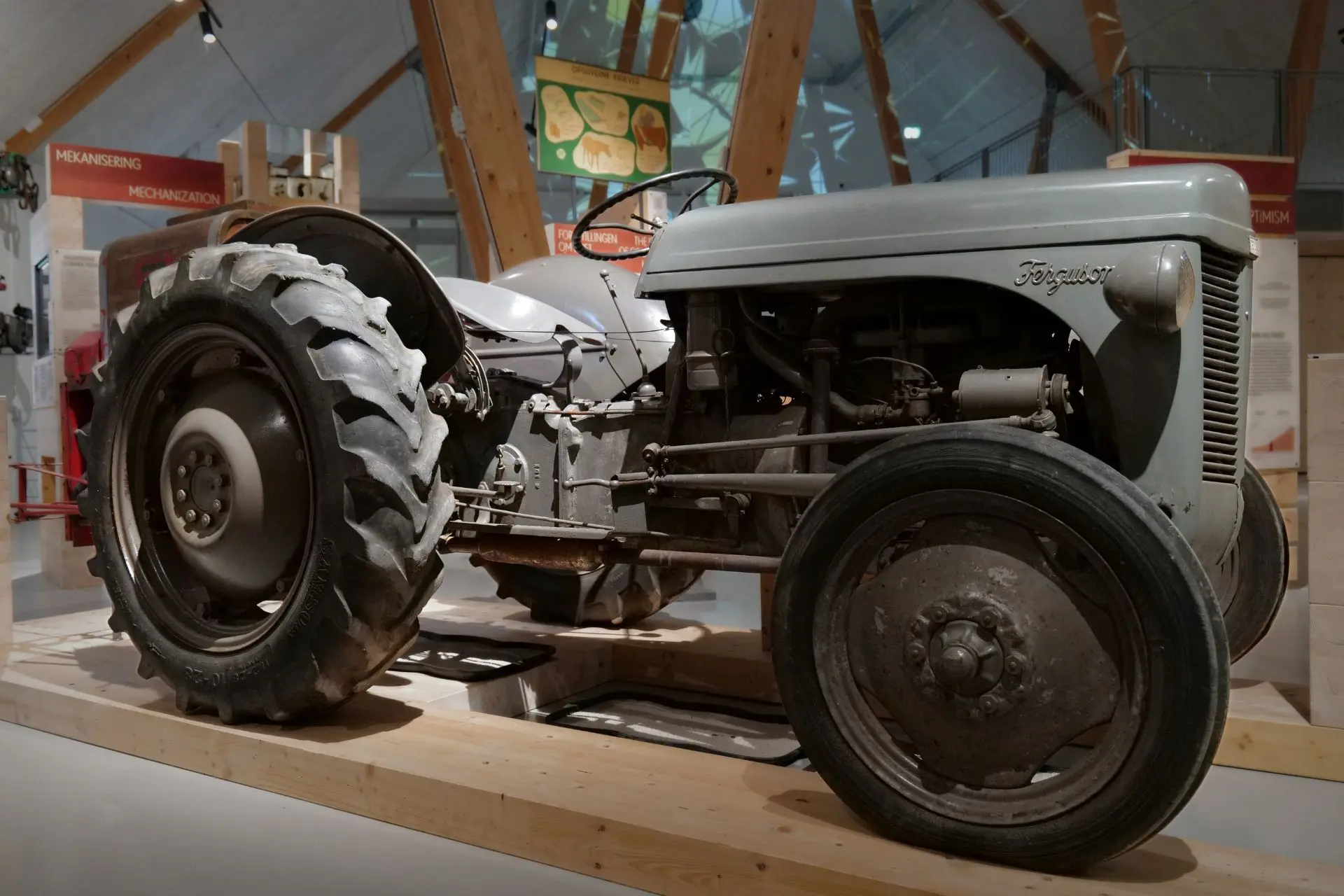
Agricultural mechanization
In the years following World War II, Danish agriculture underwent upheavals of such magnitude and character that they can only be compared to the transition from hunter-gatherer society to farming society 6,000 years ago. The changes were primarily the introduction of the tractor and the new opportunities that came with it.
Click on the names below and find out more about:
