




How is the country located? New lecture series focuses on the country's past, present and future
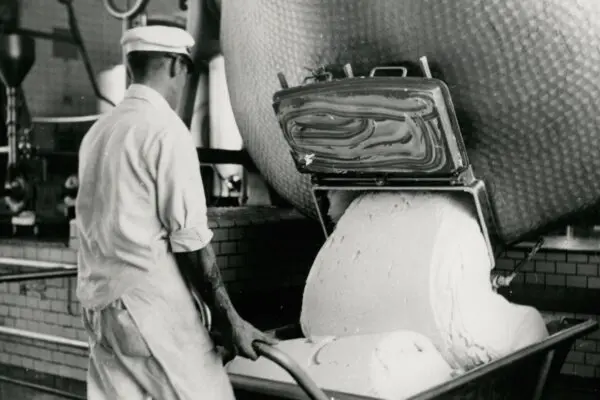
Experience the lecture "From lursmør to climate pig" and hear How does the country stand in relation to community and responsibility in Danish agriculture?
What is the real state of the land – what we live in, live off of and shape our everyday lives? This spring, The Green Museum invites you to a new series of lectures that, with knowledge, historical perspectives and current issues, focuses on precisely that question.
The lecture series has been titled How is the country located? – a question that points both to the current situation and to the very specific country: the landscapes, agriculture, nature and the communities that have shaped Denmark through generations. As a national museum for hunting, forestry, agriculture and the cultural history of food, The Green Museum works precisely with the stories that take place outside the cities, but which are of crucial importance to society as a whole.
The lecture series examines the country as both reality and imagination. Through facts and stories, the broad lines of the country's development are unfolded - from the role of villages and the importance of communities to the organization of agriculture and the professions that have disappeared but still characterize the public debate. The lectures are based on research, cultural history and concrete examples and provide a basis for reflection and dialogue.
The lectures are given by both researchers and the museum's own professionals. The audience can, among others, experience Kasper Friis Bavnbæk from the University of Southern Denmark, who researches villages and rural development, as well as museum curators Esben Bøgh Sørensen and Rune Clausen from the Green Museum, who contribute cultural historical perspectives on the agricultural cooperative movement and the role of the mink in Danish business and agricultural history, respectively.
The first three lectures in the series shed light on the question How is the country? from different angles. The audience can, among other things, experience a lecture on the future of villages and the challenges and opportunities that characterize rural areas today. Another lecture addresses the agricultural cooperative movement and follows its development from the joint initiatives of the 19th century to today's climate and nature challenges. Finally, the focus is on the mink's special place in Danish agricultural and business history - before, during and after the dramatic shutdown in 2020.
The lectures can be experienced individually and combine professional presentations with time for questions and debate. On the lecture evenings, the museum also keeps the exhibitions Under Solen and STORT open in the evenings, so the visit can be combined with a tour of the museum's stories about hunting, forests, agriculture and the history of food.
Lecture series How is the country located? is aimed at everyone with an interest in the country's development, cultural history and current social issues - regardless of whether you live in the countryside or in the city.
👉 Read more about the lectures, see the program and buy tickets here.
