Inspired by London
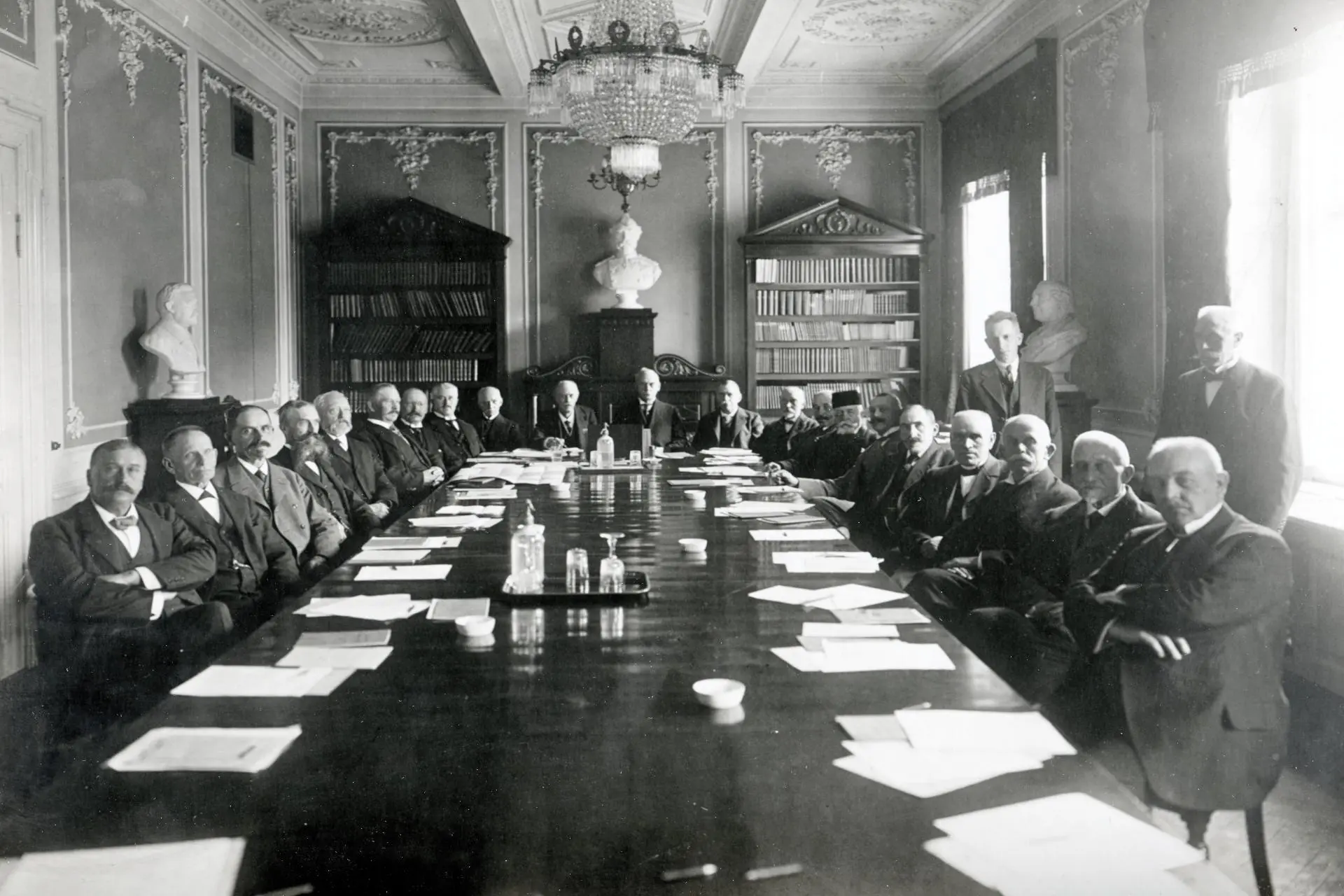
The Royal Danish Household Company was founded in Copenhagen on Christian VII's birthday, January 29, 1769.
The idea was put forward by the lawyer and civil servant Martin Hübner, who in London had become acquainted with various associations and societies that lively discussed the great economic and social problems of the time. Hübner also wanted such a society in Denmark. From the beginning, it was decided that it should be a society with a practical purpose and not a closed discussion club. Everyone, from citizens to farmers, should be involved.
Once back in Copenhagen, Hübner discussed his thoughts with a small circle of friends and like-minded people in the back room of a grocery store. The idea of a Danish company that would contribute to the growth and prosperity of the entire kingdom with guidance and financial support was well received. Statutes were written and an organizational model was created with a president, two vice-presidents, a secretary to handle paperwork, dues payments and different categories of membership.
Recognition and motivation
Specifically, it was envisioned that the company would work for the benefit of all subjects in Christian VII's kingdoms and lands. The idea was to establish a company that, by distributing awards and prizes was to motivate the population to make an extra effort for the good of society. Farmers, craftsmen, artists, fishermen, the whole of economic life could be considered. Nor was it a question of awarding prizes simply for the sake of recognition. The society also hoped that the prizes could serve as motivational factors and good examples for others.
Against this background, and precisely because the working and living conditions of farmers were one of the most and most hotly debated topics of the 18th century, it was here that the company concentrated its work immediately after its start. Anything that could improve agricultural yields and income, be it new crops, new cultivation methods, new field tools and new feed, therefore had the company's keen interest.
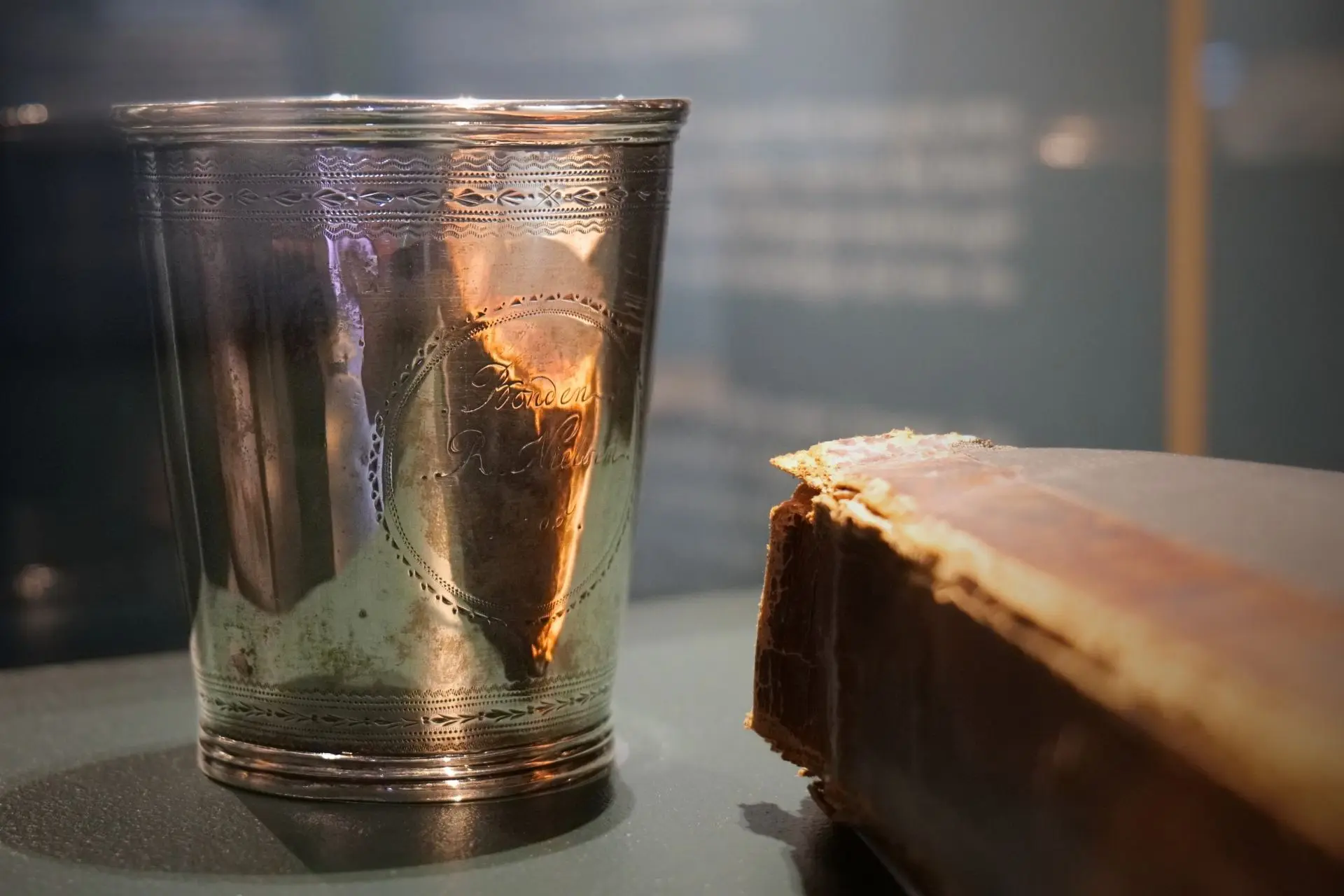
In the first decades, the company lived up to its intention of being primarily a prize company in every way. From the 1770s to the 1830s, more than 8,000 prizes were awarded. prizes in the form of gold and silver medals, engraved silver cups, cash gifts, beautiful diplomas and other honors. The majority of these were given to farmers and other rural dwellers. Not least under the impression of the large-scale agricultural reforms, where the relocations from the villages and the purchase of their own farms by the former tenant farmers opened up completely new opportunities, there was pressure on the distribution of the company's prizes and recognitions.
Development and training
Throughout the years, the company has maintained the tradition of awarding awards to people who had made special contributions to agriculture. However, it is also part of the history that the company began to focus on something else and more than just awarding prizes in the 1820s. The company now increasingly channeled money, time and effort into training and the education of future generations of farmers.
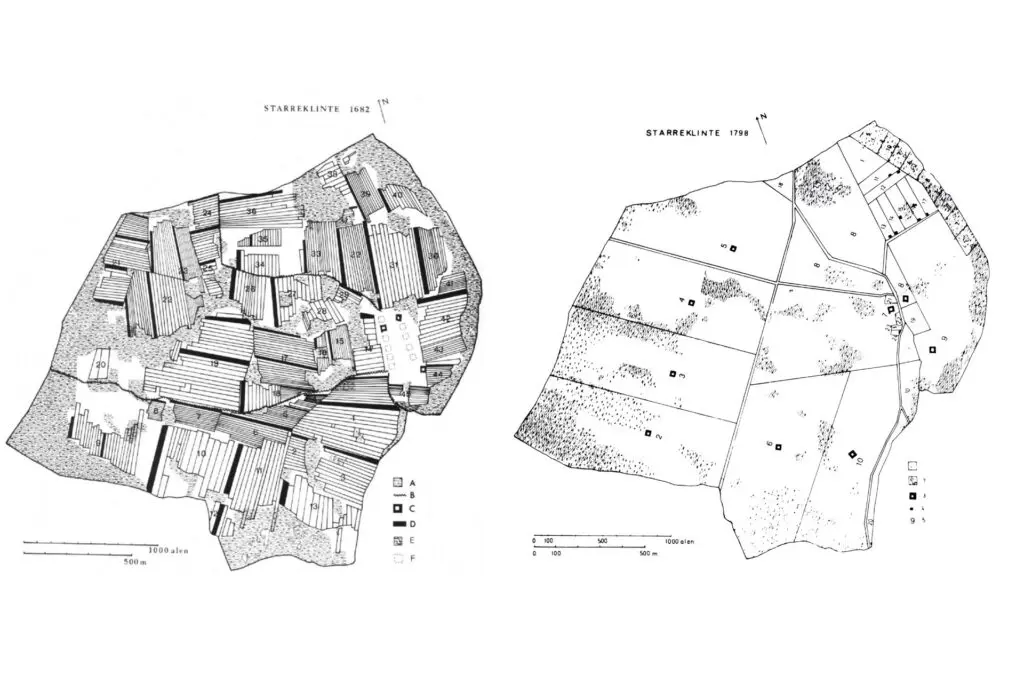
In the 1810s-1850s, the consequences of the land consolidation reforms were seriously felt. The exchange, where farmers had their land consolidated into large areas, had already been completed around 1810, while most farmers in the 1850s had bought land and farms from their landlords. Economically, things also went well. The consolidation of the land provided larger fields with more crops, while cattle and horses could be sold at good prices. The land consolidation reforms also had the beneficial consequence that larger grazing areas opened up for larger cattle herds, which meant greater milk production and better opportunities for the production of milk and cheese.
The good times not only produced prosperous but also more self-confident farmers than before. With a view to promoting the economic development of agriculture locally, farmers in the various parts of the country began to organize themselves in the so-called farmers' associations. This started on Bornholm as early as 1805, but soon afterwards farmers on Funen and in Maribo and Randers County also got involved. The Agricultural Society supported these local initiatives. In the beginning, the first farmers' associations functioned exactly like the Agricultural Society, with prize-giving as the most important asset. Later, the farmers' associations expanded their scope of activity with local exhibitions of cattle, tools and crops, lectures and joint purchases of plant seeds and fertilizer.
Science at the service of agriculture
For the first time in Danish history, rural life was no longer based solely on the experiences that previous generations of farmers had passed on to their successors. Science had entered the service of agriculture, and it has been there ever since. The Agricultural Society has rightly received a large share of the credit for this development.
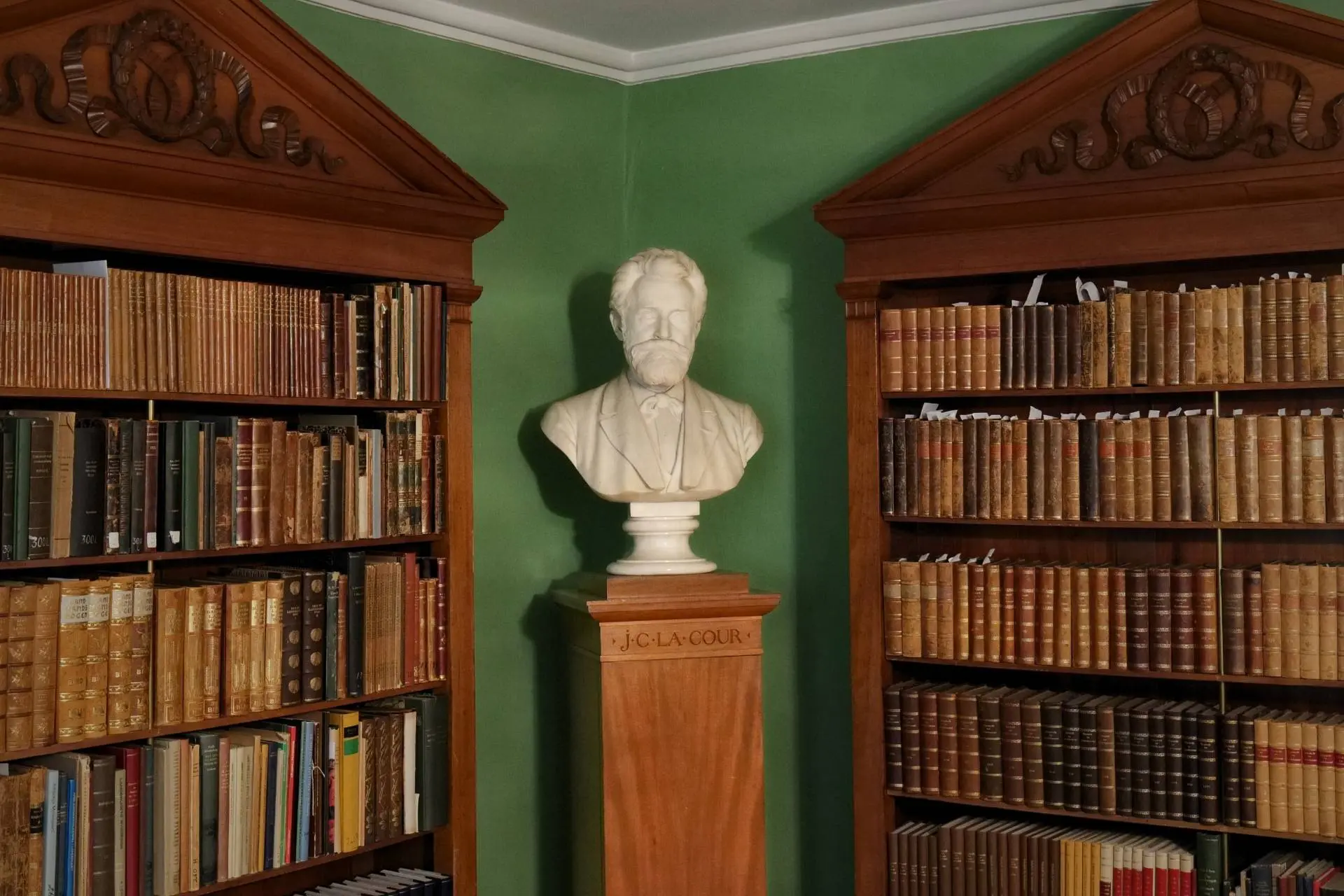
The company's prominent men played a significant role in maintaining and, not least, disseminating the new knowledge. This first happened when the company supported the establishment of the Royal Veterinary and Agricultural College in the 1850s, which brought together the education of veterinarians, land surveyors and farmers under one roof. It was not least the company's president BS Jørgensen who pushed the development here. Then, on the initiative of the company's then secretary Jørgen Carl la Cour, veterinarians, teachers and graduates from the Agricultural College were employed, who, as the first agricultural consultants, now travelled the country and the kingdom with lectures and demonstration trials of all the latest in dairy farming, livestock breeding, artificial fertilizers and crops.
The company continued at the same time with its publications of not only magazines, but also books and statistical overviews with agricultural content. The Danish weather is a changeable factor, where sun, rain and wind have a decisive influence on field work, so the company began systematic observations of weather conditions, which would eventually develop into the establishment of the Danish Metrological Institute.
From the center of power
The Liberal Farmers' Party, farmers' associations, cooperative dairies and extensive exports of bacon, butter and eggs to Britain had in the years after the First World War made agriculture a political and economic powerhouse in Denmark. This also meant that politicians, planners, economists and educational institutions increasingly took over many of the tasks and projects that the Royal Danish Agricultural Society had initiated in its time. At the same time, the many new local farmers' associations meant that the society, which in the 1880s could boast almost 1,000 members, now experienced a sharp decline in membership.
The fact that others carried on the legacy of the company is also reflected in the company's physical setting. From 1769 to 1894, the company enjoyed the princely conditions in the Prince's Palace close to the center of power at Christiansborg, while after various moves in 1933, a three-story office building was built close to the Agricultural University. The location here emphasized the company's close connection to agricultural education in both a literal and figurative sense. However, declining membership meant significant cuts in both activities and office staff, so today (2023) the company is housed at the Department of Food and Resource Economics at the University of Copenhagen.