




A celebration of the reforms
The Freedom Pillar, with its twenty-meter-high obelisk and solid base in Norwegian granite, remains the ultimate memorial to the land reforms in general and the abolition of the farm bond in 1788 in particular. However, it was not the freed peasants who showed their gratitude with this monument. On the contrary, it was Copenhagen citizens and officials who, through the intellectual journal Minerva In 1781, a fundraiser was started to finance the construction of the Liberty Memorial. The money poured in, and there was enough money to let some of the country's best sculptors and artists design and execute the monument.
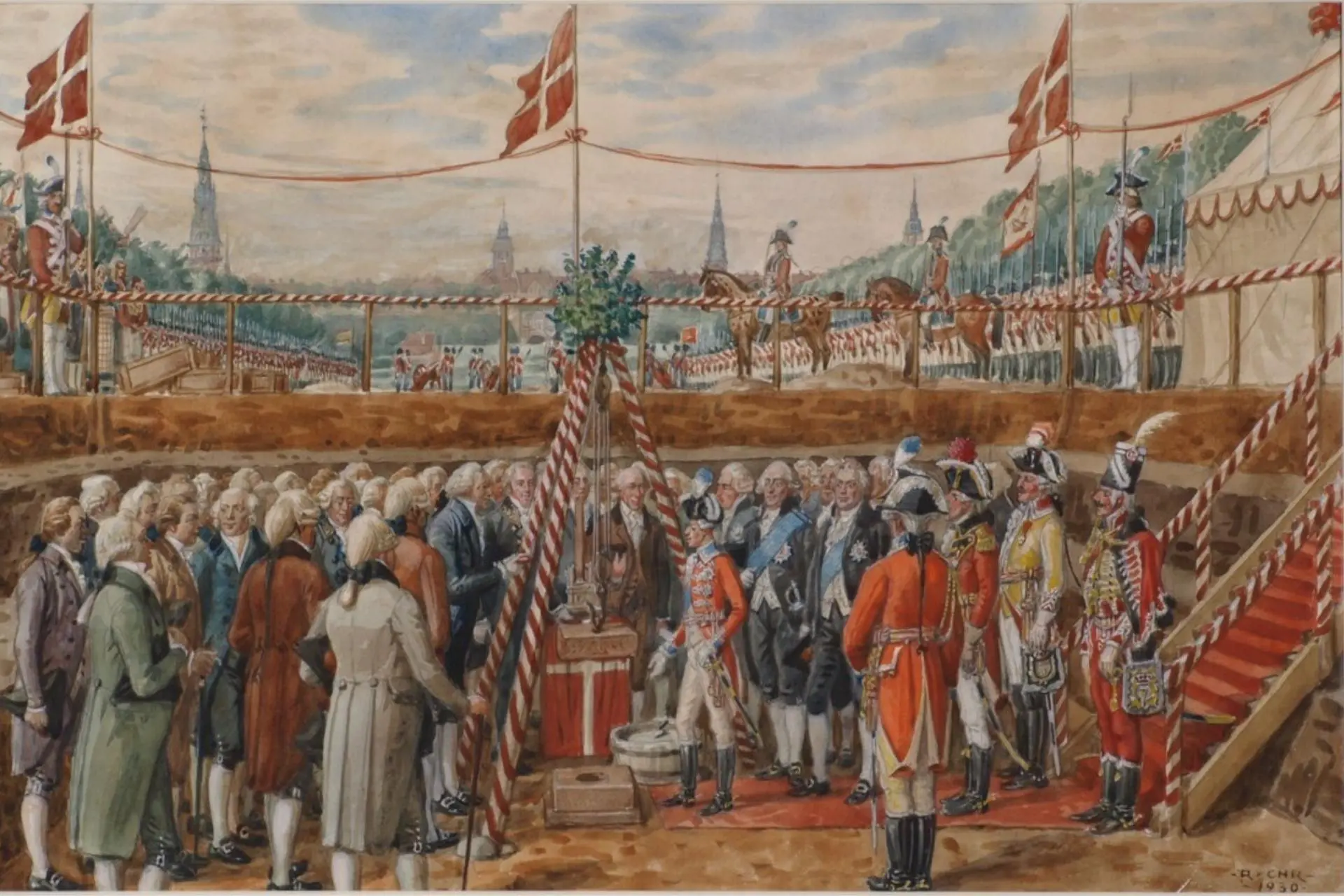
The happy donors placed their trust in the fact that the abolition of the royal bond would merely be the starting point for even more political and social reforms. Expectations for the future were not diminished by the fact that it was Crown Prince Frederik himself who laid the foundation stone for the Freedom Foundation on 31 July 1792.
A lot had changed.
By the time the Statue of Liberty was fully completed and ready for inauguration in 1797, much had changed since the happy days of the Reformation. Protests by Jutland landowners over the abolition of the royal bond, growing criticism of the Crown Prince's autocratic rule, rebellious peasants and the increasing chaos in revolutionary France had all put a damper on the dream of more political reforms in which the Statue of Liberty had been born. Tellingly, the monument's completion was passed over in silence in the newspapers of the time, and the list of contributors to the Statue of Liberty was never published.
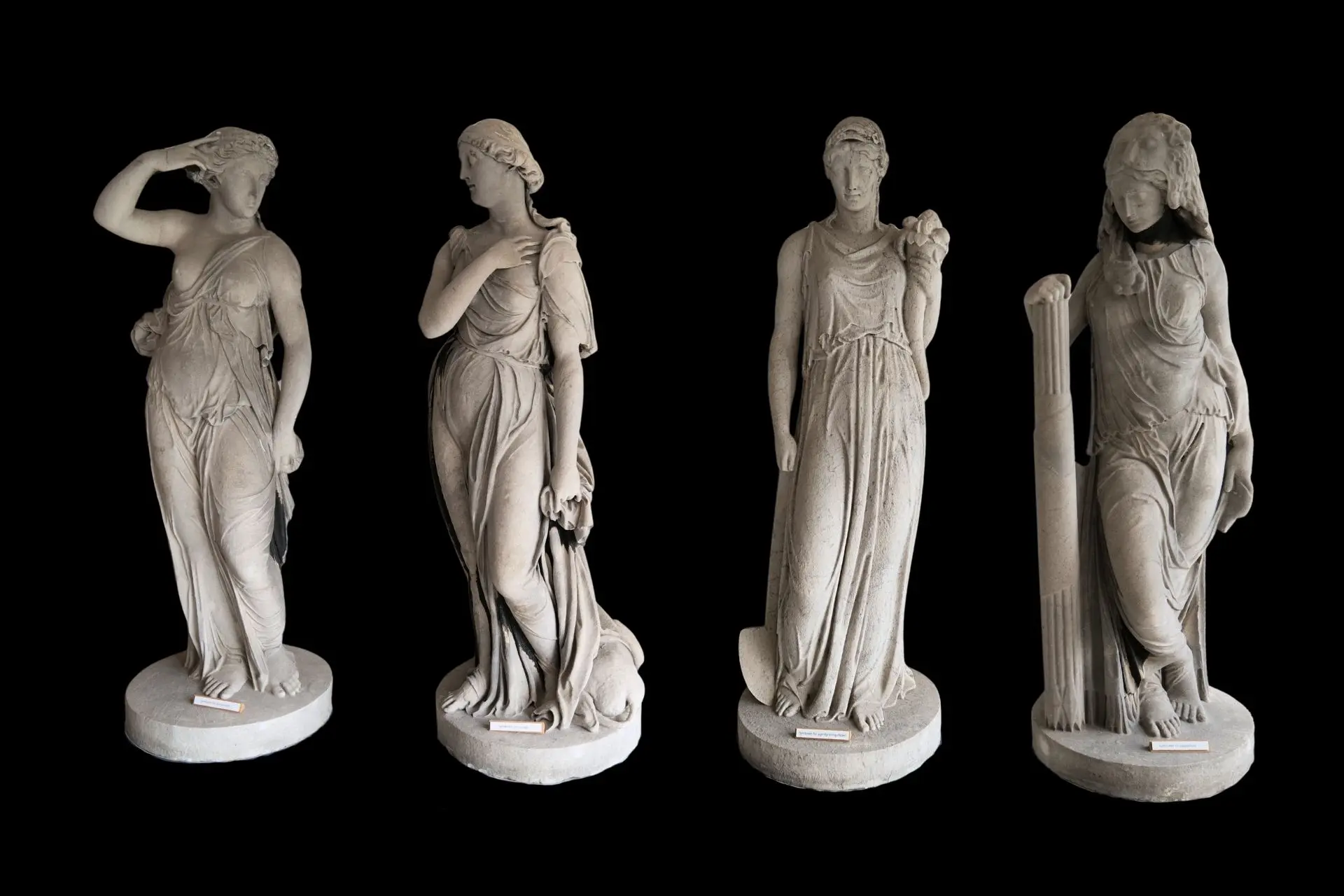
The Statue of Liberty is surrounded by four statues in the form of female figures. Dressed in antique costumes, each with their own personal belongings and from every corner of the world, the statues tell of the ideals on which the monument was built. Due to wear and tear and the increasing air pollution from the heavy traffic on Vesterbrogade, the four statues were replaced with new copies in the 1990s. The statues were subsequently moved to the Danish Agricultural Museum, which has since become the Green Museum. The statues are still located here, making it possible to get up close to them.
